What is Shiatsu Massage?
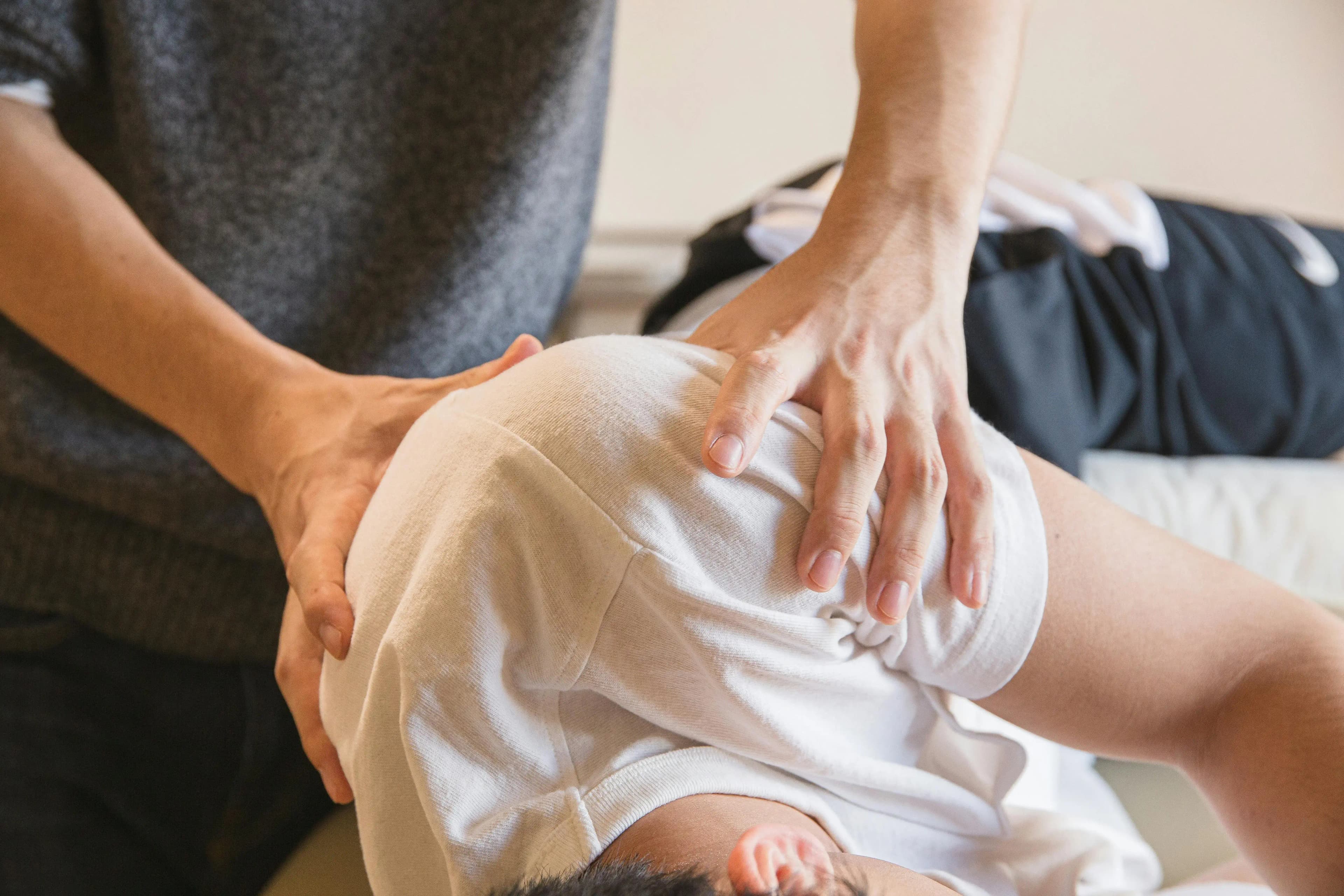
Shiatsu is a Japanese therapeutic massage technique that uses finger pressure on specific points along the body's energy meridians. The name literally means "finger pressure" (shi = finger, atsu = pressure). It aims to restore balance and promote the body's natural healing abilities.
The Technique
Using thumbs, fingers, and palms, the therapist applies rhythmic pressure to specific points along energy meridians. Unlike deep tissue massage, shiatsu uses sustained pressure rather than rubbing motions. The work is done through clothing without oil.
Benefits of Shiatsu Massage
Trigger points released with precision
Sustained thumb pressure holds each point until the tissue releases — it reaches deeper than broad strokes
Headaches, back pain, shoulder knots targeted directly
Shiatsu addresses the specific muscle location causing pain, not the surrounding area
The 'good hurt' that becomes instant relief
Deep pressure on a tight point feels intense for a moment, then releases — that's the muscle letting go
The same meridian system as acupuncture, no needles
The nervous system calmed through manual pressure on the same points used in acupuncture
Fully clothed, no oil
Wear comfortable clothes and you're ready — no prep, no shower needed after
Who is Shiatsu Massage Best For?
- Those interested in Eastern healing
- People with chronic pain conditions
- Japanese expats and travelers
- Those who prefer no-oil massage
- Anyone seeking holistic wellness
What to Expect
- 1
Wear loose, comfortable clothing
- 2
The session begins with an assessment of your energy state
- 3
Pressure is applied using thumbs, fingers, and palms
- 4
Some stretching may be incorporated
- 5
You may feel deeply relaxed or energized after
How to Book Shiatsu Massage in HCMC
Everything you need to know before you book
Booking Shiatsu Massage
Shiatsu is a clothed, no-oil service — therapist setup takes under 5 minutes and no shower is needed after. Same-day bookings are available with 2–3 hours notice. Because shiatsu is a more specialized discipline than Swedish or Thai massage, therapist availability is slightly narrower during peak evenings; booking in the morning for an evening session is advisable on busy nights. Send your hotel name and session length via WhatsApp. If you have specific areas of focus — neck, lower back, or digestive issues — mention them when booking so the therapist can prepare.
Timing Your Booking
Shiatsu is commonly booked for two distinct purposes: morning sessions for guests who want to address jet lag and reset their energy before a day of activity, and evening sessions for unwinding after work or travel. Both work well with the service's energy-balancing approach. The 90-minute session is the standard choice; 60 minutes covers the core meridian work but leaves less time for the upper and lower body together. For first-timers, the 90-minute format is recommended. If jet lag is the primary reason for booking, a morning session (9–11 AM) with specific mention of travel fatigue helps the therapist prioritize the right meridian pathways.
What to Expect
The session takes place on your own bed — the therapist is ready within a few minutes. Shiatsu is performed clothed (no oil), so wear loose, comfortable clothing. The session begins with a brief assessment of your energy state and areas of tension. The therapist applies sustained thumb and palm pressure along meridian pathways, holding each point for several seconds rather than rubbing. The rhythm is slow and meditative. Some light stretching may be incorporated. Most clients feel deeply calm or mildly energized afterward; a sense of temporary tiredness is also normal as the body processes the treatment. Payment is cash after the session.
Your Safety Matters
Our Therapist Standards
Every MassageGo therapist goes through the same screening before joining
Hotel & Spa Experienced
Every therapist has hands-on experience working in hotels and spas across Ho Chi Minh City.
Reference-Checked
We verify government ID and check references with past employers before any therapist joins.
Trial-Assessed
Each therapist completes a hands-on trial — technique, hygiene, and professionalism — before joining our team.
Basic English
Our therapists can communicate in basic English to ensure a comfortable experience for international guests.
How We Vet Our Therapists
Every therapist goes through our rigorous 4-step screening process
1
Application Review
We review each applicant's work history and confirm references from past employers.
2
ID & Reference Check
Government-issued ID verification and reference checks with past employers to confirm work history.
3
Skills Assessment
Hands-on skills test covering multiple massage techniques, hygiene protocols, and professional conduct.
4
Ongoing Quality Control
Professionalism is monitored through feedback from every customer after each session.
Transparent Pricing
Pay cash (VND) after your session — the price you see is the price you pay
What's Included
- Professional therapist
- Equipment & fresh linens
- Aromatherapy oils
- Travel to your location
No Hidden Fees
- No booking fees
- No credit card required
- No tipping expected
- No hidden surcharges
Frequently Asked Questions
What's the difference between shiatsu and acupuncture?
Shiatsu and acupuncture both work on the same meridian energy system of Traditional Chinese and Japanese medicine, but differ fundamentally in their method. Acupuncture uses thin needles inserted at precise points along meridians to stimulate or redirect energy flow, and is primarily a medical treatment often used for specific conditions. Shiatsu uses sustained thumb, finger, and palm pressure applied to the same meridian points, but is broader in its application — pressing zones along entire meridian pathways rather than isolated needle points. Shiatsu is non-invasive, requires no skin penetration, and is generally more relaxing and accessible as a wellness treatment. No medical training or referral is required. Both approaches can complement each other; many clients who receive regular acupuncture also benefit from shiatsu between appointments.
Is shiatsu good for anxiety?
Yes, shiatsu is highly effective for anxiety and stress. The sustained pressure applied to specific points along the meridian system directly stimulates the parasympathetic nervous system — the rest-and-digest response that counteracts the fight-or-flight state associated with anxiety. Points along the Heart meridian (on the wrist and forearm) and the Pericardium meridian are specifically associated with emotional regulation and calming mental restlessness. Many clients describe a progressive deepening of relaxation throughout a shiatsu session, often falling into a meditative or sleep-like state. For ongoing anxiety, regular shiatsu — weekly or biweekly — produces cumulative benefits. A single session typically provides immediate relief lasting one to three days.
How is shiatsu different from Thai massage?
Both shiatsu and Thai massage are performed fully clothed without oil, which makes them easy options for guests who prefer to avoid disrobing. However, their techniques are quite different. Shiatsu uses precise, sustained pressure applied to specific acupressure points along energy meridians — the therapist holds each point for several seconds to several minutes, using thumbs, fingers, and palms. Thai massage uses broader compression along energy lines (sen lines) combined with assisted yoga-like stretching, joint mobilisation, and rhythmic rocking movements. Thai massage is generally more active and dynamic; shiatsu is more meditative and still. For clients who want deep point-specific work for chronic pain or energy imbalances, shiatsu is the better choice. For clients who want to improve flexibility and overall body mobility, Thai massage is preferable.
Is Shiatsu the same as deep tissue massage?
Shiatsu and deep tissue massage both use firm, targeted pressure — but they work differently. Deep tissue uses slow strokes along the muscle grain with oil to reach deeper layers. Shiatsu uses sustained, stationary pressure on specific acupressure points along the meridian lines, without oil. Both effectively release chronic tension and muscle knots. If you are searching for 'deep tissue massage in Saigon' and want targeted pressure on specific problem areas — a knotted shoulder, persistent lower back, or tight hip flexors — Shiatsu is the closest equivalent we offer.
Shiatsu Massage is Recommended For
Target a Specific Body Area
Shiatsu Massage Pricing
Choose the session length that fits your schedule
60 min
500,000 VND
90 min
700,000 VND
120 min
900,000 VND
Price includes therapist, equipment, fresh linens, and oils. No hidden fees.
From Our Blog
Best Massage in Ho Chi Minh City: How to Choose (and What to Avoid)
A practical guide to what actually separates a good massage in Ho Chi Minh City from a disappointing one: verified therapists, real hygiene standards, transparent pricing, and how to pick between in-room delivery, hotel spas, and walk-in shops.
Read moreMassage for Musicians and Performers
How each instrument creates different repetitive strain patterns — and the targeted massage approaches that keep musicians performing without pain.
Read moreHow to Safely Book a Massage in Vietnam as a Tourist
Booking a massage in Vietnam as a tourist doesn't have to be risky. Here's how to spot the red flags and find a safe, professional service.
Read more